
What Small Business Owners Can Expect From a Commercial Termite Inspection
Termites can threaten a commercial property's condition without showing obvious signs of damage. For small business owners, identifying these pests early can help protect the building's value and prevent disruptions to daily operations. Understanding what happens during a professional assessment makes it easier to prepare and respond to potential problems.
Commercial buildings contain many areas where termites may establish colonies, including wooden structural components, wall cavities, and spaces near the foundation. A professional termite inspection helps identify potential infestations and determine whether treatment or repairs are necessary.
Understanding the Commercial Inspection Process
Reviewing the Property and Its History
A professional inspection often begins with questions about the building's history, previous pest activity, and any concerns the owner has noticed. The inspector may ask about past treatments, previous repairs, moisture problems, and areas where damage has appeared. These details help identify parts of the property that deserve closer attention.
The building's age, construction materials, and layout also influence the assessment. An older office building with extensive wood framing may require a different approach than a retail space with limited exposed wood. Sharing information about renovations, plumbing leaks, and recurring moisture issues helps the inspector evaluate potential vulnerabilities.
Examining Interior and Exterior Areas
During a termite inspection, the technician examines accessible areas for evidence of termite activity. Inside, this may include wooden trim, baseboards, door frames, flooring, and support beams. The inspector may tap wooden surfaces to identify hollow-sounding areas that could indicate internal damage.
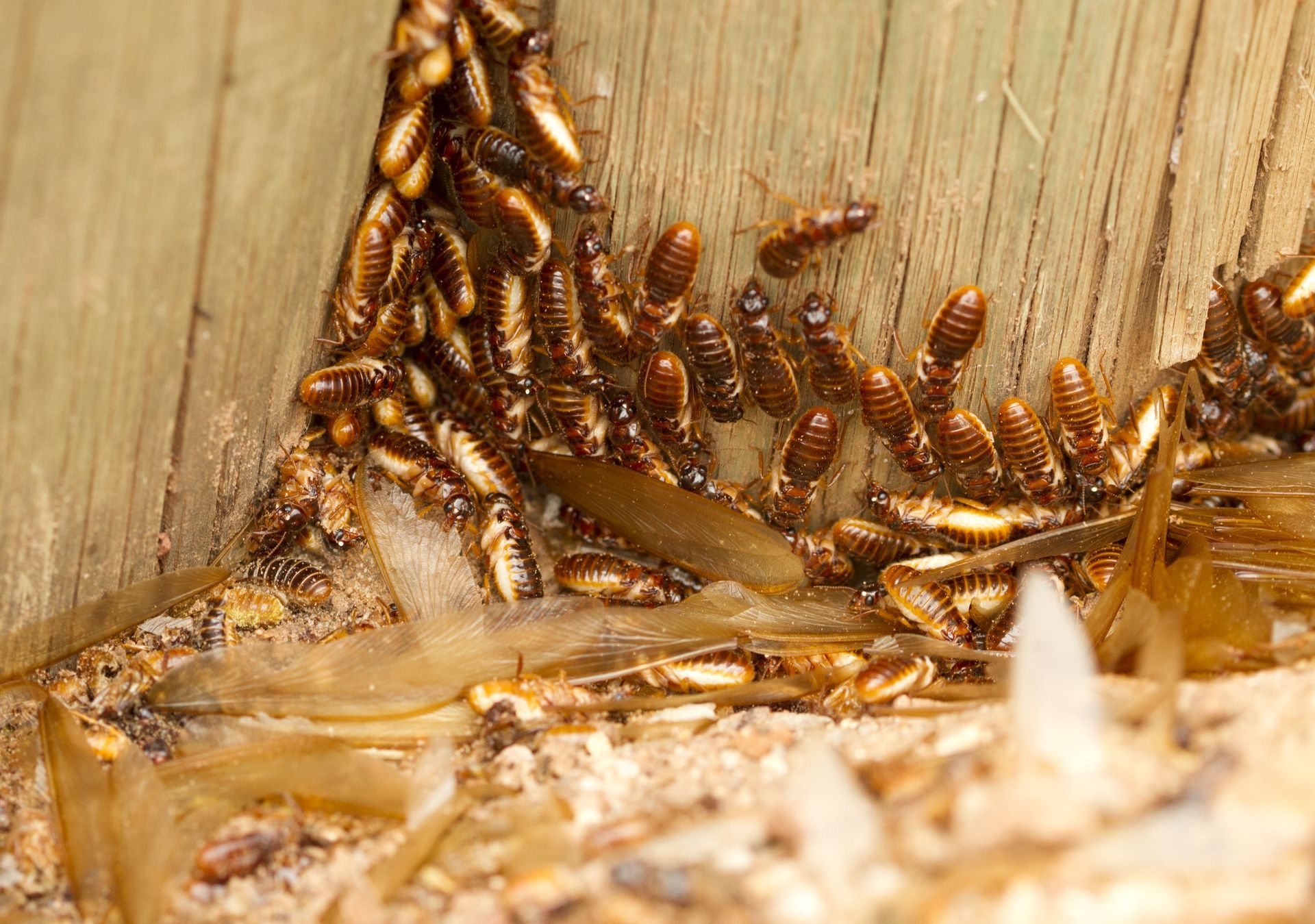
The exterior assessment typically covers the foundation, walls, wooden features, and areas where soil meets the building. Inspectors look for mud tubes, discarded wings, damaged wood, and other indicators of termite activity. They may also examine nearby fencing, landscaping, and stored materials that could provide termites with access to the structure.
Although professionals carefully evaluate accessible areas, concealed spaces may limit what can be confirmed. The inspector can explain these limitations and recommend additional investigation when necessary.
Identifying Warning Signs and Risk Factors
Warning signs include mud tubes along foundations, discarded wings near windows, bubbling paint, and wood that sounds hollow when tapped. Frass, or termite droppings, may also appear near affected wooden structures, depending on the termite species involved.
Moisture is another important consideration because damp conditions can attract certain termites. Leaking pipes, poor drainage, and persistent moisture near the foundation may increase the risk of an infestation. Identifying these conditions helps business owners understand which property issues need attention alongside pest control measures.
According to PestWorld.org, termites cause more than $6.8 billion in property damage annually. This substantial financial impact illustrates why early detection matters. Identifying warning signs before damage becomes extensive can help owners make informed decisions about treatment and repairs.
Interpreting Inspection Findings and Recommendations
Receiving a Detailed Inspection Report
After examining the property, the inspector compiles the findings into a report describing observed evidence, affected areas, and relevant conditions. This document helps business owners understand the building's condition and distinguish confirmed signs of termite activity from areas requiring additional investigation.
Depending on the findings, the termite inspection report may document visible damage, evidence of an infestation, previous termite activity, or conditions that increase vulnerability. It may also identify inaccessible areas that could not be fully evaluated. Signs of previous activity do not necessarily mean termites remain active in the same location.
Owners should review the report and ask questions about unfamiliar terminology or recommended next steps. Clarifying which findings require immediate attention helps establish priorities, especially when the building contains inventory, equipment, employees, or customers. Keeping the report with other property maintenance records also provides a reference for future assessments.
Understanding Treatment and Repair Options
If the inspector identifies termite activity, the next step is determining the appropriate response. Recommendations depend on the termite species, infestation extent, building construction, and location of affected areas. Options may include localized treatments for limited infestations or broader methods when the problem is more extensive.
A professional may recommend fumigation for certain widespread infestations or targeted treatment for specific areas. The appropriate approach depends on the circumstances. The provider should explain available options, preparation requirements, and any restrictions that could affect business operations.
Repairs may also be necessary if termites have damaged wooden components. Work might involve replacing damaged trim, repairing woodwork, or addressing compromised structural beams. When structural elements are affected, a qualified professional should conduct a termite inspection and determine what repairs are necessary to maintain the building's integrity.
Planning Around Business Operations
Small business owners should consider how treatments and repairs could affect normal operations. Some services can be scheduled around business hours, while extensive procedures may require temporary closures or restricted access. Discussing scheduling requirements with the provider can help minimize unnecessary disruption.
Before work begins, owners should understand the expected timeline, preparation instructions, access restrictions, and any follow-up visits. They may also need to coordinate with property managers, tenants, employees, or contractors. Clear communication helps prevent scheduling conflicts and keeps everyone informed.
The inspection report provides a starting point for organizing the work. Addressing urgent concerns first, arranging necessary repairs, and scheduling treatment around operational needs allows owners to manage the process systematically. A clear plan also helps businesses allocate funds and track completed work.
Preparing for Future Inspections and Prevention
Maintaining a Less Favorable Environment for Termites
After immediate concerns have been addressed, business owners can reduce conditions that may attract termites. Repairing plumbing leaks, maintaining proper drainage, and limiting excess moisture near the foundation can help reduce vulnerabilities. Owners should also avoid allowing soil, mulch, or stored materials to conceal areas that need to remain accessible for inspection.
Wooden materials should be stored appropriately rather than piled against exterior walls. Property managers can monitor fencing, landscaping features, and exterior structures for deterioration or possible termite activity. These measures cannot guarantee that termites will stay away, but they can help reduce avoidable risks.
Routine maintenance is equally important. Employees who notice bubbling paint, damaged wood, unexplained debris, or other unusual changes should report them promptly. Establishing a simple reporting process helps ensure potential concerns receive attention before damage progresses.
Establishing a Regular Inspection Schedule
Inspection frequency depends on the property's condition, construction, history of termite activity, and surrounding environment. Buildings with previous infestations, recurring moisture problems, or vulnerable wooden components may require closer monitoring. A termite professional can recommend a schedule suited to the property.
A recurring termite inspection allows business owners to compare current findings with earlier reports. These comparisons can reveal changes in vulnerable areas, document repairs, and show whether previous recommendations have been completed. Consistent records support better decisions about property maintenance and pest control.
Owners should also consider professional assessments when purchasing commercial real estate, preparing for property transactions, or planning major renovations. An evaluation can provide useful information before financial commitments are finalized or construction begins. For transactions involving mortgage or escrow requirements, owners should confirm the necessary procedures and documentation with the relevant parties.
Budgeting for Property Protection
Planning for termite prevention and potential repairs helps businesses manage property expenses. A termite inspection can identify concerns, establish priorities, and provide information for planning treatment or repair work. Although costs vary according to the building and the extent of any infestation, early evaluation can help owners address damage before it becomes more extensive.
Business owners should request clear explanations of proposed services, costs, timelines, and applicable warranties. When treatments and repairs are both necessary, understanding how the work will be coordinated can simplify project planning. Keeping inspection reports, treatment records, invoices, and repair documentation together also creates a useful history of the property's condition.
A commercial termite inspection helps small business owners understand their property's condition, identify signs of termite activity, and determine whether treatment or repairs are necessary. By addressing findings promptly and maintaining preventive practices, business owners can protect their buildings, reduce avoidable disruptions, and preserve their commercial investments over time. Schedule a professional inspection with Escocia Termite to protect your commercial property and address potential termite problems before they lead to costly repairs.



Share On: