
How to Choose a Local Termite Inspection Service
This article will guide you through the essential steps in selecting a reliable and efficient local termite inspection service, ensuring that your home remains safe and termite-free.
Understand the Importance of Termite Inspections
The importance of termite inspections cannot be overstated for homeowners. Unseen and often silent until significant damage occurs, termites can cause extensive structural damage to properties. Regular inspections can catch infestations early, effectively preventing costly repairs. According to studies, termite damage in the U.S. costs property owners billions annually, highlighting the critical need for awareness and proactive inspection. Understanding these risks accentuates the necessity for properly scheduled inspections.
Knowing the signs of termite infestation is vital for homeowners seeking to protect their investment. These signs include the presence of mud tubes, hollow-sounding wood, and discarded wings. Recognizing these indicators early can prompt timely inspections, saving the homeowner from extensive damage. Moreover, understanding common behaviors of termite species aids in their identification. Termite species like the subterranean, drywood, and dampwood termites each display unique patterns, influencing the approach toward inspection and treatment.
Aside from preventing damage, regular termite inspections contribute to maintaining property value. The reassurance that a home is termite-free is a selling point in the real estate market. Moreover, some regions enforce legal requirements for termite inspections during the sale of a property. Compliance with these laws not only avoids legal issues but also ensures a safer transaction. Ultimately, investing in regular termite inspections provides long-term benefits by safeguarding against unforeseen expenses.
Researching Local Termite Inspection Services
Thorough research is essential when selecting a termite inspection service. Begin by ensuring potential providers are fully licensed and certified to operate in your region. Certifications provide assurance of the inspector's qualifications and adherence to industry standards. It’s also beneficial to investigate the training programs undergone by the inspection team. Such diligence guarantees that the service provider is equipped to effectively identify and address any termite-related issues.
Assessing a company's experience within the field can provide insights into its reliability and expertise. Generally, a service provider with extensive experience is likely to have encountered various infestation scenarios. This familiarity can enable the inspector to diagnose and treat complex issues confidently. Additionally, investigating online reviews and testimonials can shed light on the service provider's reputation. Satisfied customer feedback often indicates dependable and satisfactory service delivery.
An essential factor in selecting an inspection service involves comparing the various packages and pricing offered. While it might be tempting to opt for the cheapest option, it’s important to weigh cost against quality and inclusivity of services. Evaluating customer service and support provided by potential companies can also indicate the level of professionalism and assistance you can expect. As the employment projection for pest control workers grows by 7 percent from 2023 to 2033, according to BLS.gov, ensuring skilled service providers remain available is crucial. Such growth underscores the increasing demand for reliable pest control services within the market.
Questions to Ask Potential Providers
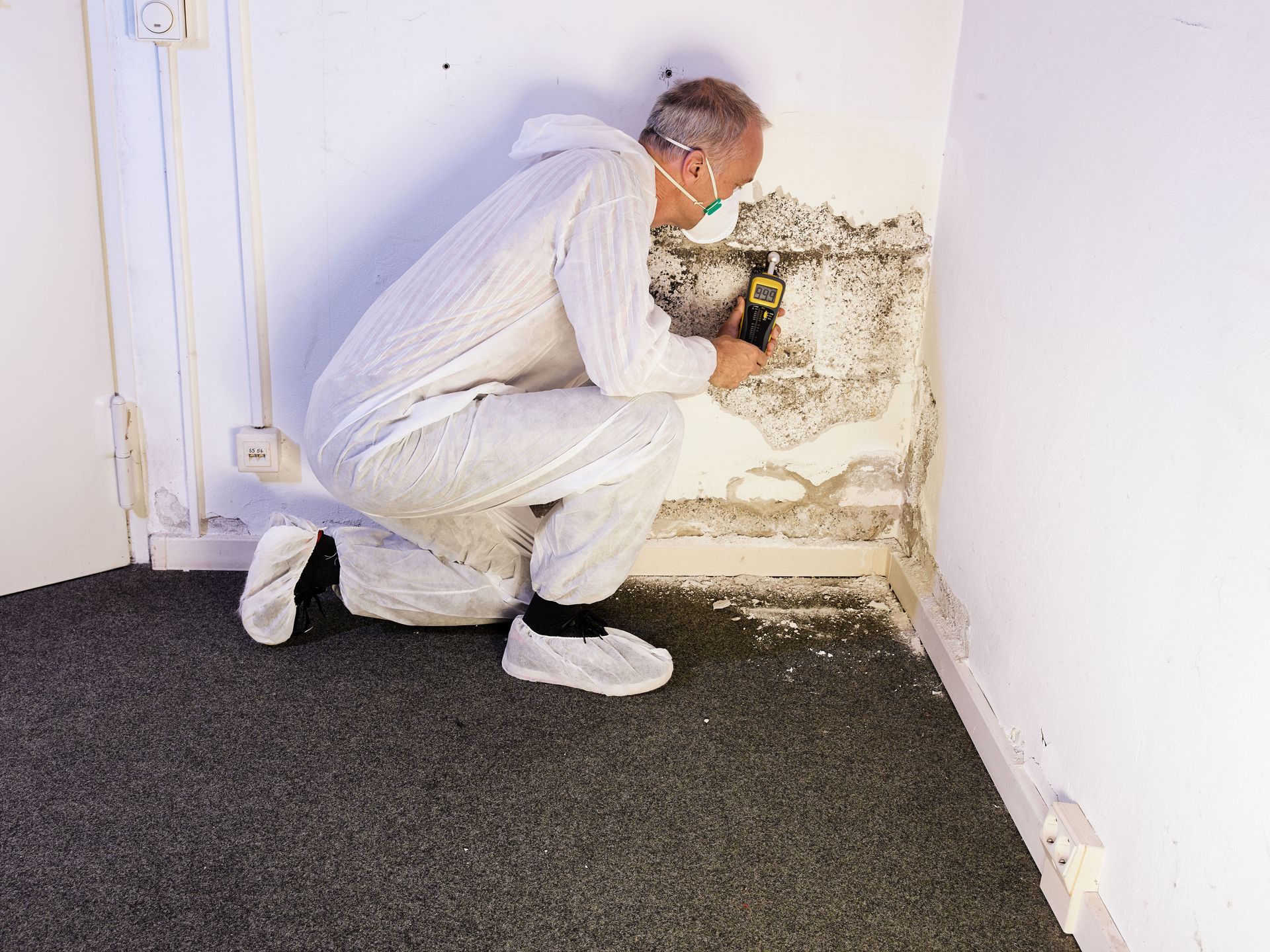
Selecting the right termite inspection service involves asking critical questions to understand their methods and tools used. Request specifics on the inspection techniques and technology employed to identify infestations. Advanced tools such as moisture meters, infrared cameras, and acoustic emission detectors can enhance inspection accuracy. Understanding their approach provides insight into how thorough the inspection will be. It's also worthwhile to query their reporting process for clarity on the findings and recommended actions.
The duration and scope of inspections are important aspects to clarify before selecting a termite inspection provider. It can vary based on property size and infestation severity. Understanding these parameters helps in scheduling and preparing adequately for inspections. Providers that offer follow-up treatments and guarantees should be prioritized as they signify a commitment to resolving termite issues effectively. A guarantee ensures accountability for any overlooked issues or ineffective treatments.
Emergency inspection availability is another critical factor when selecting a service provider. Termite infestations can escalate quickly, and a prompt response can mitigate damage. Knowing whether providers offer emergency services ensures immediate action can be taken when needed. Additionally, confirming availability for ongoing support and advice post-inspection can be beneficial for maintaining a termite-free home. A professional provider should be willing and able to offer responsive service, promoting peace of mind for the homeowner.
Considering Cost and Value
Understanding the cost and value of termite inspections involves analyzing various elements of the pricing structure. Breaking down inspection costs upfront can prevent misunderstandings about charges and helps when comparing services. An in-depth cost analysis typically includes inspection fees, treatment costs, and any associated services. Additionally, assessing the cost-effectiveness and value delivered ensures you receive what you pay for. Payment options, including plans and financing, provide flexibility and can make essential services more accessible.
Analyzing payment and financing options can also aid in managing the financial aspect of termite inspections. Some providers offer flexible payment arrangements to accommodate budget constraints, ensuring you have access to necessary services when needed. Inquiring about potential hidden fees and additional charges beforehand can avoid unexpected expenses later. Understanding the complete cost structure allows you to budget effectively for long-term pest control. Investing in comprehensive services that offer value over time is wise.
Consider potential future costs when budgeting for termite control and inspections. Long-term budgeting should account for regular inspection schedules and any additional preventative treatments. Providers that offer comprehensive service bundles at a discounted rate should be considered as they could provide monetary savings over time. Further emphasizing the importance of long-term planning, staying proactive ensures effective termite management, minimizing potential costs. Thoughtfully evaluating cost and value strengthens your decision-making process, ensuring financial resources are spent wisely.
Preparing for the Termite Inspection
Proper preparation for a termite inspection ensures a smooth and efficient process. Start by clearing areas where termites are typically detected, such as basements or attics, to provide easy access for inspectors. Aside from physical preparation, clarifying any doubts or questions with the service provider prior to the inspection is advisable. Doing so prevents misunderstandings and sets clear expectations on what the inspection entails. Moreover, being informed about what to expect ensures better participation during the process.
Understanding what to expect during the inspection process helps mitigate stress and ensures readiness. Typically, an inspector will thoroughly check all accessible areas of the home for signs of termites. This often involves examining woodwork, foundations, and potential entry points where termites may gain access. Post-inspection, they should provide a detailed report highlighting any findings, potential risks, and suggested treatments. Knowing these steps in advance allows for informed discussions post-inspection.
Preparing for the post-inspection process involves understanding the procedures and precautions to undertake based on the findings. Following the inspector's recommendations and engaging in post-inspection discussions can ascertain the scope and potential remedies. If a treatment plan is necessary, knowing the next steps and associated precautions aids in maintaining a termite-free environment. Additionally, understanding the inspection report in detail assists in making future decisions about termite prevention. Proper preparation and understanding ensure effective management and resolution of termite-related issues.
Maintaining a Termite-Free Home
Maintaining a termite-free home post-inspection involves regular self-inspection and professional check-ups. Homeowners can conduct DIY inspections by periodically checking for common signs of infestation, including mud tubes and wood tunneling. Prompt attention to these signals, paired with professional advice, maintains a termite-resistant home. Simultaneously, implementing preventative measures, such as controlling moisture and sealing entry points, aids in deterring termites. Such proactive steps extend the effectiveness of professional termite management.
By following these steps and making informed decisions, you can ensure that your chosen termite inspection service effectively protects your home from the costly damages caused by termites. Be sure to reach out to Escocia Termite today for more information on our professional local termite inspection!



Share On: