
Why Are Residential Termite Inspections Important?
Termites are often referred to as silent destroyers because they work quietly, steadily, and out of sight. By the time visible damage appears, the structural impact may already be extensive. Regular residential termite inspections play a vital role in protecting homes from hidden deterioration, unexpected repair costs, and long-term safety risks. For homeowners, this proactive step often determines whether damage remains manageable or becomes overwhelming.
Understanding termite behavior, recognizing warning signs, and investing in professional evaluations are essential steps for homeowners who want to preserve both their property and peace of mind. These efforts reduce uncertainty and provide clear direction when preventative or corrective action is needed. Long-term protection depends on informed decisions made before problems escalate.
1. Understand Termite Species And Their Habits
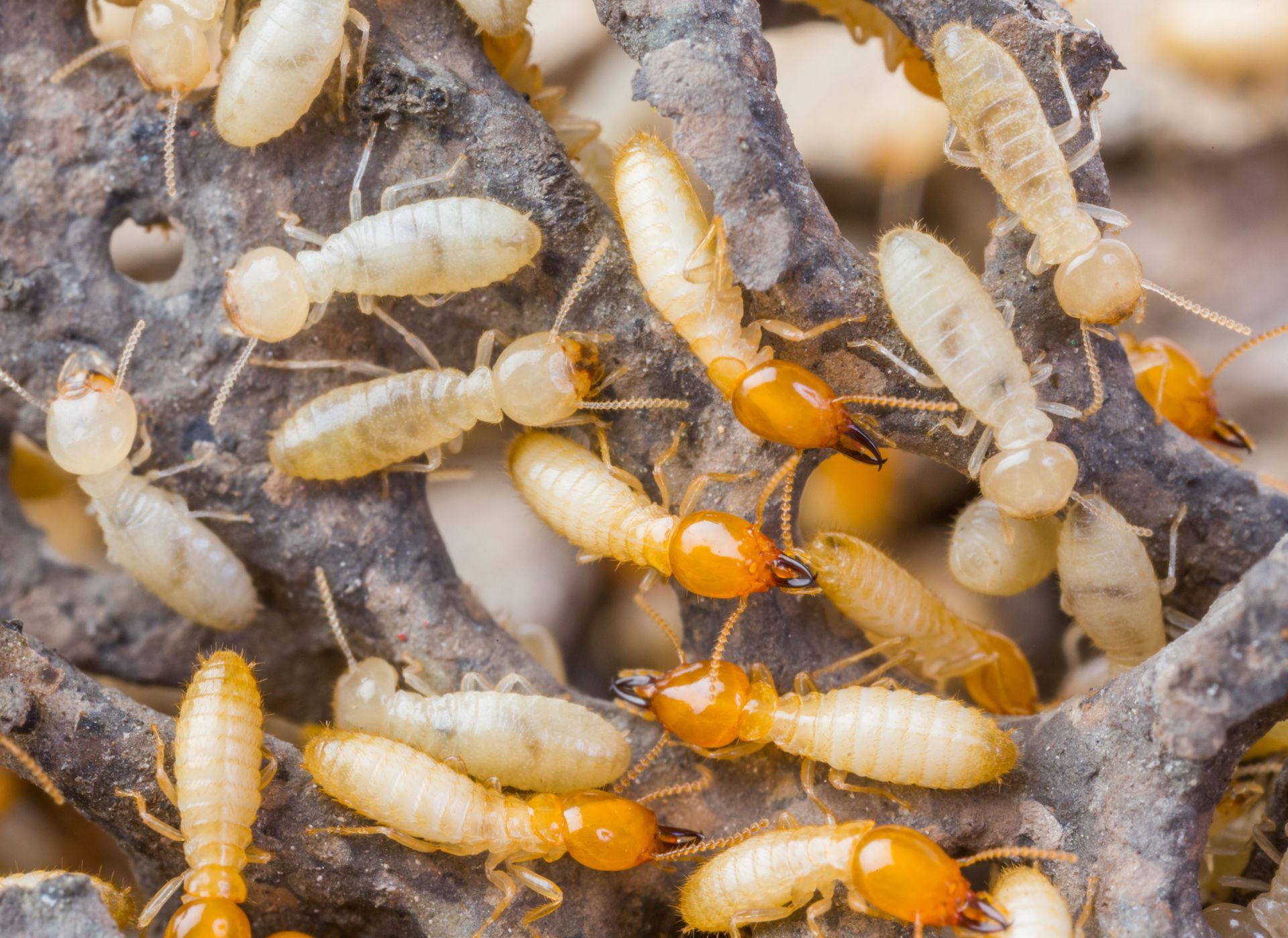
Termites are not a single, uniform pest, and their behavior varies widely depending on species. According to the Missouri Department of Conservation, there are about 40 species of termites in North America north of Mexico, each with unique nesting, feeding, and environmental preferences. Subterranean termites are the most destructive and commonly found species, building underground tunnel systems that allow them to access wooden structures without exposure. These colonies can remain active for years without visible surface signs.
Drywood termites live entirely within wood and can infest framing, trim, and furniture without ever touching soil. Their ability to remain concealed makes them especially difficult to detect without professional training. Homes with exposed wood or older construction are often more vulnerable to this type of infestation.
Recognizing these differences matters because each species requires a different detection and treatment strategy. Residential termite inspections help identify which type of termite is present and how deeply the infestation has spread. This targeted approach improves treatment effectiveness and minimizes unnecessary disruption to the home.
2. Identify How Termites Gain Access To Homes
Termites exploit small vulnerabilities that often go unnoticed by homeowners. Subterranean termites typically enter through cracks in foundations, expansion joints, or gaps around plumbing and utility lines. These access points may appear insignificant but can support large colonies over time.
Drywood termites may enter through exposed wood, attic vents, or rooflines during swarming seasons. Once inside, they establish colonies that can remain hidden for extended periods. Seasonal activity often increases the risk of new infestations without obvious warning.
Because entry points are often hidden, infestations can develop undetected for years. Professional residential termite inspections focus on high-risk areas such as crawl spaces, basements, attics, and structural framing. This thorough approach helps reduce repeat infestations caused by unresolved vulnerabilities.
3. Recognize Early Warning Signs Of Infestation
Termites rarely make their presence obvious, but they do leave behind subtle indicators. Common warning signs include discarded wings near windowsills, hollow-sounding wood, blistered paint, and small piles of frass that resemble sawdust or sand. These signs are frequently overlooked or misattributed to aging materials.
In many cases, homeowners mistake early termite damage for water intrusion or cosmetic wear. This misinterpretation delays corrective action and allows damage to spread further. Early awareness is critical to limiting repair scope.
Trained inspectors understand how to interpret these clues within the context of a home’s construction. During residential termite inspections, professionals assess whether signs point to active infestations, past activity, or structural vulnerabilities that could attract termites in the future. Accurate interpretation ensures that homeowners respond appropriately instead of guessing.
4. Evaluate The Financial Impact Of Termite Damage
The cost of termite damage can be staggering. Repairs often involve structural components such as floor joists, wall studs, roof supports, and subflooring. These repairs can disrupt daily living and require temporary relocation in severe cases.
In addition to repair costs, termite damage often leads to secondary expenses such as inspections, engineering evaluations, and follow-up treatments. These costs accumulate quickly when infestations go unnoticed. Financial strain increases as damage becomes more extensive.
Routine residential termite inspections help homeowners avoid these financial surprises. By detecting infestations early, repairs can be limited to localized areas rather than entire structural systems. Early intervention keeps both repair timelines and expenses under control.
5. Protect Structural Safety And Indoor Health
Beyond financial concerns, termite damage poses real safety risks. Structural components weakened by termite activity can compromise the stability of floors, walls, and load-bearing elements. Over time, this deterioration increases the risk of serious structural failure.
As damage progresses, homes may develop uneven floors, sticking doors, or cracking walls. These symptoms often indicate deeper structural issues that require immediate attention. Ignoring them can jeopardize occupant safety.
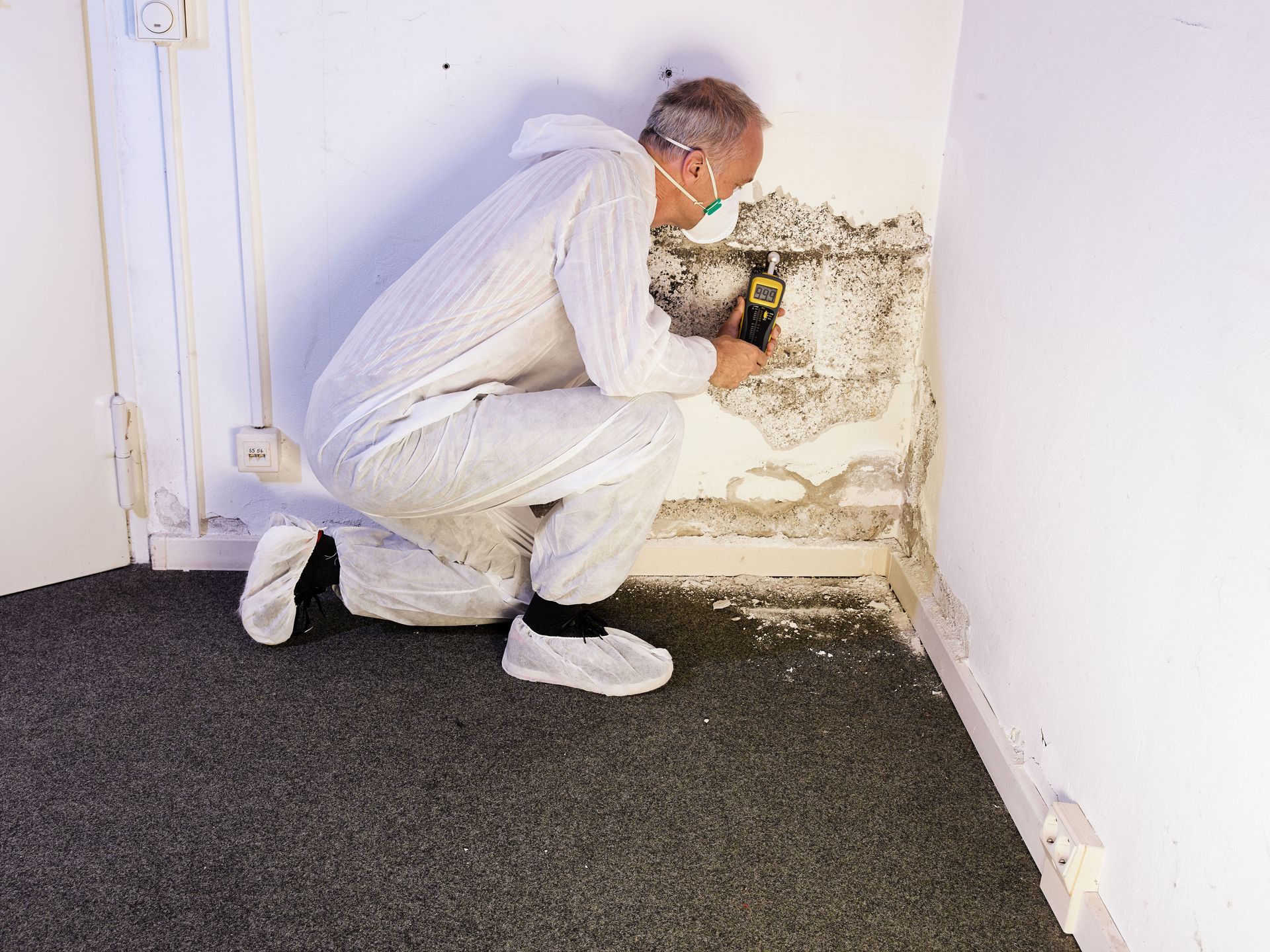
Termite damage can also contribute to moisture intrusion, which encourages mold and mildew growth. Residential termite inspections help protect occupants by identifying both pest activity and the environmental conditions that allow secondary health hazards to develop. Addressing both issues together creates a safer indoor environment.
6. Compare Professional Inspections With DIY Checks
Some homeowners attempt to check for termites on their own, but DIY inspections often miss concealed activity. Termites typically operate behind walls, beneath floors, or within framing where visual checks cannot reach. Limited access reduces the reliability of surface-level assessments.
DIY efforts also lack the tools required to identify moisture conditions or hidden colony movement. Without proper equipment, homeowners may underestimate the severity of an infestation. This can result in delayed or ineffective responses.
Professional inspectors use specialized tools such as moisture meters, infrared imaging, and acoustic detection equipment to locate hidden colonies. Residential termite inspections provide a comprehensive evaluation of the entire structure, offering clarity and direction that DIY methods cannot achieve.
7. Implement Preventative Treatments And Ongoing Monitoring
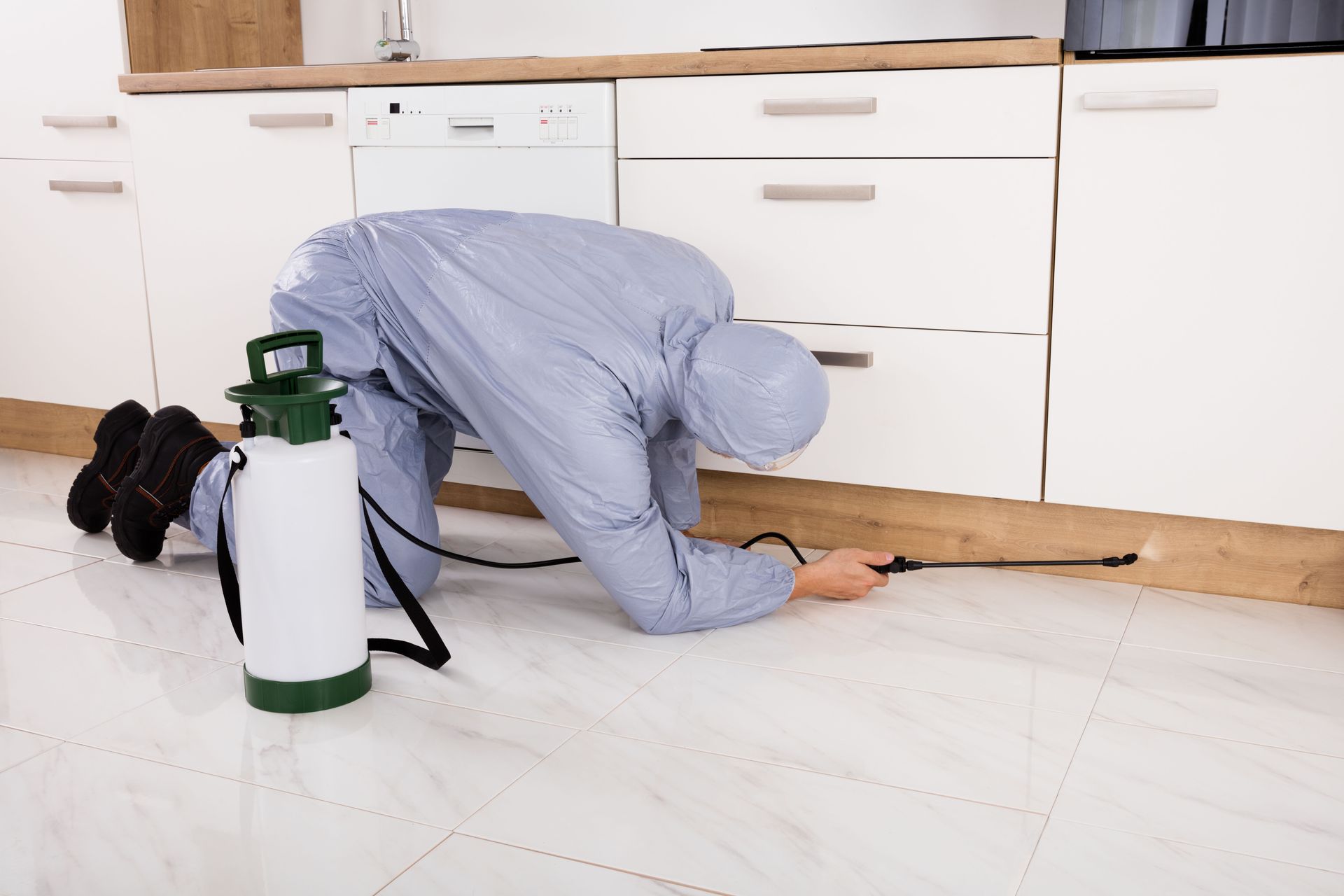
Effective termite management extends beyond detection. Preventative strategies may include soil-applied treatments, wood treatments, physical barriers, and moisture control improvements. Each approach addresses specific risk factors present on the property.
Selecting the right combination of treatments requires an understanding of termite behavior and building design. Improper application can reduce effectiveness or create unnecessary exposure. Professional guidance ensures correct implementation.
Ongoing monitoring is equally important. Regular residential termite inspections ensure that treatments remain effective and that new risk factors have not emerged. This consistency allows homeowners to maintain protection without unexpected setbacks.
8. Strengthen Property Value Through Proactive Maintenance
Homes with documented inspection histories often hold greater appeal in competitive real estate markets. Buyers value transparency and reassurance that a property has been properly maintained. Inspection records reduce uncertainty during negotiations.
Properties with unresolved pest issues often face delayed sales or reduced offers. Proactive maintenance helps avoid these complications by addressing concerns before they become negotiation obstacles. Documentation supports smoother transactions and stronger buyer confidence. Buyers are far less likely to request price reductions or extended inspection periods when maintenance records clearly demonstrate consistent care. This transparency helps sellers maintain control during negotiations instead of reacting to last-minute objections.
Investing in termite-resistant materials, correcting moisture issues, and maintaining inspection schedules all contribute to stronger resale value. Residential termite inspections support these efforts by demonstrating responsible ownership and long-term care. These actions signal to buyers that the home has been maintained with foresight rather than reactive repairs. Over time, this perception of diligence can translate into faster sales and more competitive offers.
Protecting your home requires foresight, consistency, and professional support.
Residential termite inspections are a critical part of safeguarding structural integrity, avoiding costly repairs, and maintaining long-term property value. At Escocia Termite, we provide thorough inspections, effective treatments, and reliable repair solutions for homeowners throughout Los Angeles and Orange County, CA. When you’re ready to take termite protection seriously, contact Escocia Termite and let our team help keep your home protected for the long haul.
Share On: