
How a Termite Inspection Company Identifies Hidden Infestations
Termites are one of the most destructive pests to buildings, often causing significant damage before their presence is even detected. A termite inspection company plays a crucial role in identifying and addressing termite infestations, safeguarding the structural integrity of homes and properties. With approximately 40 species of termites in North America north of Mexico according to the Missouri Department of Conservation, early detection and management are vital. This article explores the methods and processes used by inspection companies to detect hidden infestations.
What Methods Do Termite Inspection Companies Use to Detect Infestations?
Visual Inspections
Visual inspections form the cornerstone of any termite detection strategy. Inspectors meticulously examine properties for signs of infestation, such as mud tubes, damaged wood, and frass. These indicators are often subtle and require experienced professionals to identify them effectively. An expert inspector will recognize patterns in wood damage that are characteristic of termites, such as hollowed-out wood and narrow mud tubes along walls and foundations.
In addition to assessing visible damage, inspectors also check common entry points, like cracks in the foundation or gaps around utility lines. With training and expertise, termite inspection companies utilize visual inspections to accurately assess the severity and scope of a termite problem.
Moisture Meters
Termites thrive in moist environments, making moisture meters an invaluable tool in inspection arsenals. These devices measure the moisture levels in wood and other materials, identifying areas that are prime candidates for termite activity. By detecting abnormally high levels of moisture, inspectors can pinpoint areas where termites are most likely to establish colonies.
For a termite inspection company, using moisture meters provides essential data that helps in mapping out infested zones within a property. This information is crucial for effective treatment planning, ensuring that the risk is thoroughly addressed and mitigated.
Thermal Imaging
Thermal imaging technology offers another advanced approach to termite detection. Infrared cameras detect heat changes associated with termite colonies, even behind walls. By capturing the subtle heat signatures produced by clusters of termites, inspectors can see beneath the surface of walls and floors without needing to dismantle structures.
This non-invasive technology allows termite inspection companies to reveal hidden colonies that might otherwise remain undetected, offering a comprehensive assessment of the infestation's reach and aiding in crafting a targeted response plan.
Sound Detection
Utilizing acoustic devices to listen for termite activity is an innovative method that some inspection companies employ. Termites are not silent invaders; as they chew through wood, they produce distinct sounds. Acoustic detection instruments amplify these sounds, helping inspectors to identify points of activity.
These tools are especially useful in detecting drywood termites, which may not always create visible entry points or surface damage. Through sound detection, a termite inspection company can avert significant damage by identifying infestations in their nascent stages.
How Can You Identify Signs of a Termite Infestation?
Wood Damage
One of the most common indicators of a termite infestation is damage to wood. Signs can include hollow-sounding wood, blistered surfaces, and maze-like patterns. Recognizing these patterns is essential, as termites often consume wood from the inside out, leaving a thin outer layer untouched. This makes the damage less noticeable until significant destruction occurs.
Early identification of wood damage by a homeowner can prompt a professional inspection and timely intervention. A termite inspection company can confirm the presence of termites and implement control measures to mitigate further harm.
Frass (Termite Droppings)
Frass, or termite droppings, is another telltale sign of an infestation. These small, pellet-like substances resemble wood particles and are often found near entry points or areas where termites are actively feeding. The presence of frass is a clear indicator of termite activity, especially in cases involving drywood termites where the infestation might not be evident otherwise.
A termite inspection company can analyze frass samples and use them to identify the termite species involved, further enhancing their ability to tailor treatment strategies to the particular type of termites present in a property.
Discarded Wings
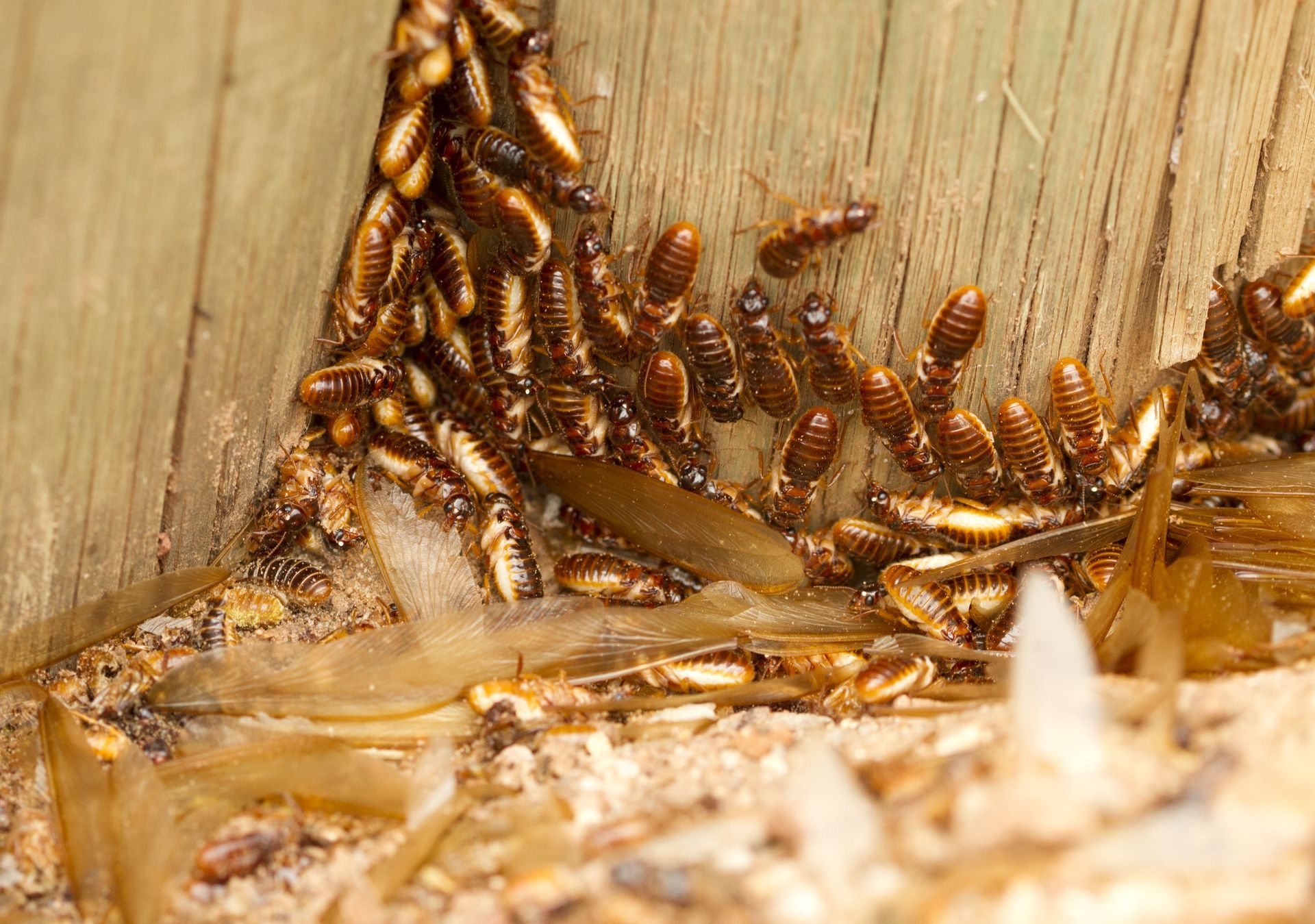
Seeing discarded wings near windowsills, doorways, or vents can indicate the presence of swarmers, which are reproductive termites looking to establish new colonies. Swarmers shed their wings as they land to start new infestations, making these wings an early warning sign of potential termite intrusion.
A homeowner spotting these wings should reach out to a termite inspection company for a thorough inspection to assess the extent of the problem and prevent the establishment of new colonies in and around their home.
Mud Tubes
Mud tubes are perhaps the most iconic sign of termite activity. These tubes serve as protective tunnels that connect termite colonies in the soil to these food sources in buildings. They are often found on walls, foundations, and support structures and are made of soil, saliva, and termite excrement, creating a comfortable environment for termites.
Finding mud tubes is a strong indicator of subterranean termite presence. When discovered, property owners should immediately contact a termite inspection company to further investigate and remediate the infestation, limiting structural damage and restoring safety.
When is the Best Time to Schedule a Termite Inspection?
Seasonal Considerations
The timing of inspections can influence their effectiveness. Termites are more active during warmer months when reproductive cycles are in full swing. However, a well-timed inspection during these months can catch infestations early in their development. In contrast, cooler months might reveal different signs of infestation as termites seek additional warmth and shelter.
Homeowners should consult with a termite inspection company to determine the best schedule that aligns with both regional termite activity cycles and any signs of infestation unique to their environment, ensuring continuous protection.
Frequency of Inspections
In areas with a high risk of termite infestations, regular inspections are crucial. Properties in these regions often require at least annual inspections, with some areas recommending biannual visits. Consistent evaluations by a termite inspection company can identify new infestations early, implementing control before termites can cause extensive damage.
By maintaining a regular inspection schedule, homeowners can proactively protect their investments, catching potential infestations before they escalate into more serious problems.
Signs of Resurgence
Even after professional treatment, termite infestations can recur, making follow-up inspections critical. If a property has a history of termite activity or shows signs of resurgence, such as new mud tubes or frass, it requires immediate professional evaluation.
Responding to these signs with a renewed inspection allows a termite inspection company to assess the situation, determine if termites have re-entered the property, and take swift action to eradicate nascent colonies.
Before Property Transactions
Before buying or selling a property, scheduling a termite inspection is vital. An inspection ensures any current infestations are disclosed and addressed, protecting all parties involved in the transaction from potential liability and financial loss.
For prospective buyers, a termite clearance from a reputable termite inspection company provides peace of mind, safeguarding the investment from unexpected termite-related repair costs.
What Should You Expect During a Professional Termite Inspection?
Initial Assessment
The initial assessment sets the foundation for a successful inspection. Inspectors will gather background information about the property, including its history and previous termite issues. They’ll also inquire about recent renovations, which might create new entry points for termites.
This assessment helps the termite inspection company tailor the inspection process to the specific conditions of the property, focusing on areas most vulnerable to infestation. Reach out to Escocia Termite today to see how we can help you!



Share On: