
10 Common Issues Found in Termite Inspections
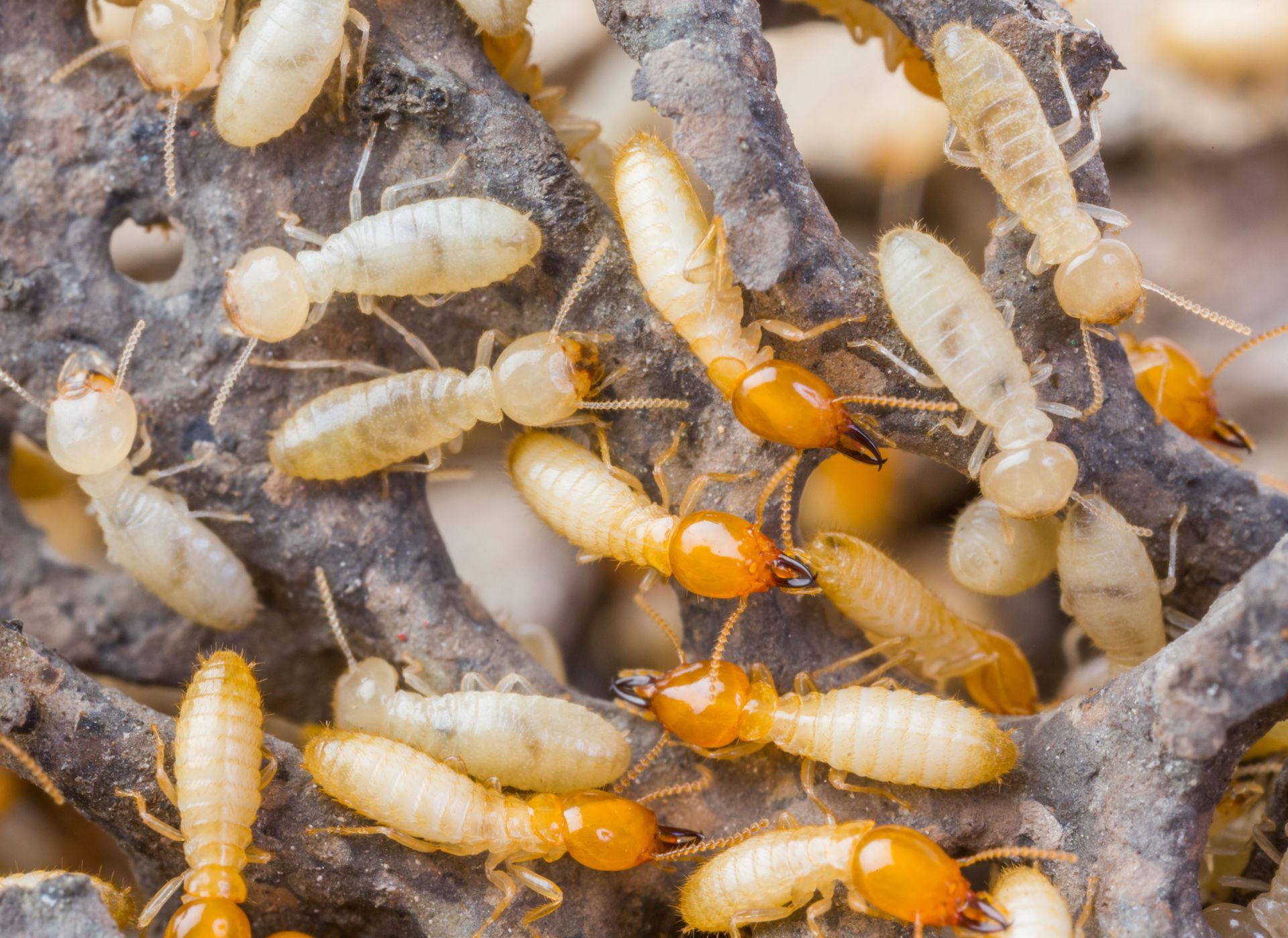
Termite inspections are an important part of protecting the structural integrity, safety, and long-term value of a property. Because termites often remain hidden while feeding on wood and other cellulose materials, damage can continue for months before obvious warning signs appear. According to This Old House, scientists have identified more than 2,000 termite species, which are categorized into three common types: drywood, dampwood, and subterranean termites. Understanding these different categories is important because termite behavior, habitat preferences, and potential damage can vary by type. Working with a termite inspection company can help property owners identify risks before hidden activity develops into costly structural damage. Homes, commercial buildings, garages, sheds, and other structures containing wood can all be vulnerable. Moisture, warmth, soil contact, and accessible wood create favorable conditions for colonies. Professional inspections look for active termites as well as environmental issues that could encourage future infestations. Understanding the problems commonly uncovered during these evaluations can help owners take corrective action and maintain safer properties.
1. Poor Ventilation and Moisture Accumulation
Poor ventilation and excess moisture frequently create conditions that attract termites, especially in crawl spaces, basements, attics, and areas near plumbing fixtures. Limited airflow allows dampness to linger, while leaking pipes or poor drainage can keep wood wet for long periods. During an inspection, a termite inspection company may look for water stains, condensation, musty odors, mold, or damp insulation that points to elevated moisture levels.
Correcting these conditions can make a building less appealing to termites. Property owners may need to repair leaks, improve gutter drainage, add vents, install vapor barriers, or use dehumidifiers. Soil should also slope away from the foundation so rainwater does not collect near structural wood. Better moisture control protects against termites while also reducing the risk of mold and wood decay.
2. Hidden Structural Damage
Structural damage is one of the most serious issues uncovered during termite inspections. Termites often consume wood from the inside out, leaving the outer surface looking relatively normal. Common warning signs include hollow-sounding boards, sagging floors, weakened trim, sticking doors, or warped surfaces. A termite inspection company can evaluate suspicious areas to determine whether damage appears active, historical, or severe enough to require repairs.
Support beams, floor joists, wall studs, and other load-bearing components can weaken when infestations continue for extended periods. Depending on the extent of deterioration, damaged wood may need reinforcement or complete replacement. Early detection can prevent a limited infestation from turning into a larger structural problem that is more difficult and expensive to correct.
3. Mud Tubes Along Foundations and Walls
Mud tubes are among the most recognizable signs of subterranean termite activity. These narrow tunnels are made from soil, saliva, and organic material and help termites travel between underground colonies and food sources. Inspectors often check foundation walls, crawl-space supports, basement surfaces, and utility penetrations for these formations. Fresh tubes may indicate current activity, while dry tubes can point to an older infestation.
Because abandoned tubes do not always mean a colony is gone, surrounding areas should still be examined carefully. A termite inspection company may check nearby wood, soil, and concealed spaces for additional evidence before recommending treatment. Repairing foundation cracks, reducing moisture, and limiting hidden access points can make the structure less inviting to future colonies.
4. Distinctive Wood Damage Patterns
Termites leave characteristic damage patterns that can help distinguish their activity from rot or other wood-destroying insects. Subterranean termites often create irregular galleries that follow softer areas of the wood grain, while drywood termites may leave smoother tunnels, small exit holes, and piles of droppings known as frass. Recognizing these patterns helps inspectors identify the likely pest and choose appropriate treatment methods.
Because much of this damage occurs inside framing or walls, visual inspection alone may not reveal the full problem. Moisture meters, probing tools, borescopes, and other equipment can help evaluate suspicious areas. Repairs may include replacing deteriorated lumber, reinforcing weakened sections, or applying protective treatments to exposed wood.
5. Wood-to-Soil Contact
Direct contact between wood and soil can create an easy pathway for subterranean termites. Porch supports, fence posts, siding, deck components, landscape timbers, and door frames may become vulnerable when they touch the ground. Soil contact can also trap moisture against wood. Maintaining adequate clearance between structural wood and soil helps reduce both access and dampness.
A termite inspection company may also examine mulch beds, stacked lumber, tree stumps, cardboard, and other cellulose materials near the foundation. These items can provide food, moisture, and concealed travel routes. Removing debris, limiting excessive mulch, and keeping a clear inspection zone around exterior walls can make early signs easier to notice.
6. Cracks, Gaps, and Entry Points
Termites can enter through small openings in foundations, masonry joints, plumbing penetrations, and gaps around utilities. Inspectors frequently check slab edges, expansion joints, foundation vents, and areas where additions connect to the original structure. Sealing unnecessary openings may reduce hidden access and make future activity easier to detect.
However, sealing cracks alone does not eliminate an existing colony. If termites are already active, treatment may still be necessary to address the source of the infestation. Foundation maintenance should be combined with moisture control, routine observation, and professional evaluation when warning signs are present.
7. Compromised Insulation
Termites do not usually consume insulation as a primary food source, but they can tunnel through some materials while searching for wood. This activity may compress or disturb insulation in walls, attics, basements, and crawl spaces. A termite inspection company may examine damaged insulation when other evidence suggests activity near framing or concealed structural materials.
After treatment, affected insulation may need to be repositioned or replaced to restore energy efficiency. Sealing gaps and preventing moisture from becoming trapped against wooden components can also improve protection. Keeping insulation dry and intact supports both building comfort and easier pest monitoring.
8. Swarmers, Wings, and Frass
Winged termites, called swarmers, leave mature colonies to establish new ones. Property owners may notice them near windows, doors, or light sources during warm, humid conditions. Discarded wings can also be a warning sign because swarmers shed them after locating a suitable site. Drywood termites may leave small piles of frass near infested wood, providing another visible clue.
Other possible indicators include blistered flooring, damaged trim, or faint sounds coming from hollow wood. No single symptom always confirms an infestation, so findings should be evaluated together. Professional inspection helps separate termite activity from moisture damage and other insect problems that can create similar signs.
9. Gaps in Preventive Measures
Many properties have termite prevention measures in place but still contain weaknesses. Treatments may have expired, barriers may have been disturbed during renovations, or monitoring stations may not be checked consistently. Landscaping changes, new decks, irrigation systems, and additions can also alter moisture conditions and create new entry points around a building.
A termite inspection company can review existing protections and identify areas where additional measures may be useful. Recommendations may include monitoring systems, soil treatments, physical barriers, moisture reduction, or routine inspections. A combination of preventive methods is generally more effective than relying on only one approach.
10. Why Routine Inspections Matter
Routine inspections allow property owners to identify moisture problems, structural damage, mud tubes, entry points, and other risk factors before they become more difficult to manage. Even buildings with no previous termite history can develop problems when drainage changes, wood is placed near the foundation, or neighboring colonies expand. Periodic evaluations also create a clearer record of changes in the property's condition.
Choosing an experienced inspector can help owners determine which findings require immediate treatment and which simply need continued monitoring or maintenance. Addressing concerns early may reduce repair costs, protect structural materials, and preserve property value. By controlling moisture, limiting wood-to-soil contact, sealing access points, and maintaining preventive measures, owners can create a less favorable environment for termites and reduce the likelihood of hidden damage. Contact Escocia Termite today and

Share On: